What Is Gate Valves? Rising Stem vs Non-Rising Stem Gate Valve Key Differences
What is Gate Valves?
Gate valves are one of the most common types of valves used to regulate the flow of liquids or gases. A gate valve operates by lifting a gate (wedge) out of the path of the fluid. It is primarily used in applications where a straight-line flow of fluid and minimum flow restriction are needed.
There are two main types of gate valve stem designs: rising stem and non-rising stem, each offering unique advantages depending on the application environment.
What Is a Rising Stem Gate Valve?
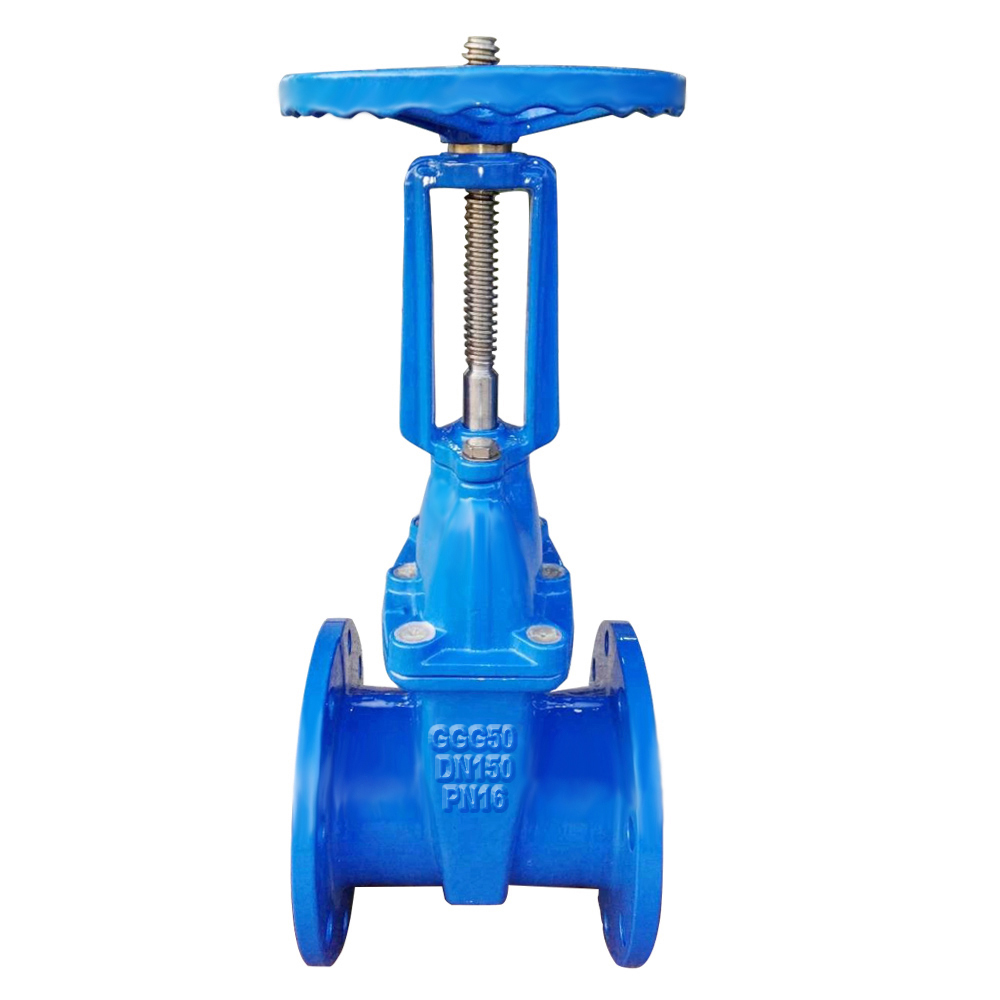
A rising stem gate valve features a threaded stem that moves upward as the valve opens. The gate is directly connected to the stem, and the stem rises visibly when the valve is opened. This design allows operators to easily determine whether the valve is open or closed just by looking at the stem.
Diagram of a Rising Stem Gate Valve:
You can see that the stem extends out of the valve body during opening.
Features:
Easy visual position indication
Requires vertical space above the valve
Stem threads are exposed, which may require protection in corrosive environments
This type is often used in above-ground installations such as water treatment plants, fire protection systems, and pipelines, where space isn’t a limitation.
What Is a Non-Rising Stem Gate Valve?
A non-rising stem gate valve has a threaded stem that does not move up or down. Instead, the stem rotates within the valve body to lift or lower the gate. The gate moves independently of the stem’s position outside the valve.
Diagram of a Non-Rising Stem Gate Valve:
In this design, the stem remains in place vertically, saving space.
Features:
Compact design for tight spaces or underground applications
Stem threads are inside the valve body, protected from external elements
No visual indication of valve position without a pointer or indicator
These are commonly used in buried services, such as municipal water systems or where overhead space is limited.
Gate Valve Open or Closed: How to Identify
Understanding the open/closed position of a gate valve is crucial for safety and system maintenance.
Valve Type
Open/Closed Indication
Rising Stem
Stem is extended = open, retracted = closed
Non-Rising Stem
Position not visible; may require handwheel indicator
his is why rising stem valves are often preferred where visual inspection is necessary.
Comparison Table: Rising vs Non-Rising Stem Gate Valve
Feature
Rising Stem
Non-Rising Stem
Visual Position Indication
Yes
No
Installation Space
Requires more vertical space
Space-saving
Stem Exposure
External threads
Internal threads
Maintenance
Easier inspection
More difficult due to internal components
Ideal For
Above-ground
Underground or tight areas
Understanding the Gate Valve Stem
The valve stem plays a critical role in transmitting motion from the handwheel to the gate. Its design determines:
Whether the valve position is visible
How the gate is raised or lowered
The valve’s compatibility with automation (electric or pneumatic actuators)
Rising stems tend to be easier to automate or retrofit with position indicators.
While this article focuses on the stem design, it’s worth knowing that gate valves also vary by gate type:
Wedge Gate Valve: Most common; uses a tapered gate that fits tightly into seats
Sliding Gate Valve: A flat gate slides across the port, common in dry bulk material handling
Resilient Seated Gate Valve: Uses a rubber-encapsulated gate to improve sealing, especially in potable water systems
Each of these can be manufactured with either a rising or non-rising stem, depending on use case.
Conclusion: Which One Should You Choose?
Choosing between a rising stem and a non-rising stem gate valve depends on your installation environment and maintenance needs.
Choose Rising Stem Gate Valve if:
Visual indication is required
There’s sufficient vertical clearance
Frequent inspection is needed
Choose Non-Rising Stem Gate Valve if:
Space is limited (e.g., underground)
You require internal stem protection
Visual indication isn’t essential
Learn More from Xhy Group
As a professional gate valve manufacturer, Xhy Group offers a wide range of wedge, resilient seated, and sliding gate valves in both rising and non-rising stem designs.



 English
  Chinese
 Russian
 Arabic
 Spanish